Mastering the Art of Blackjack: A Comprehensive Guide
Blackjack stands as one of the most beloved and enduring card games in both land-based and online casinos. Its combination of simple rules, fast-paced action, and strategic depth attracts players from all walks of life. But while many sit down at the table with dreams of hitting 21, only a select few truly master the nuances that separate luck from long-term success. Whether you’re a curious beginner or an experienced player looking to refine your skills, this comprehensive guide will illuminate the path to true blackjack mastery—covering history, probability, advanced techniques, and the psychology that underpins this iconic game.
The Origins and Enduring Appeal of Blackjack
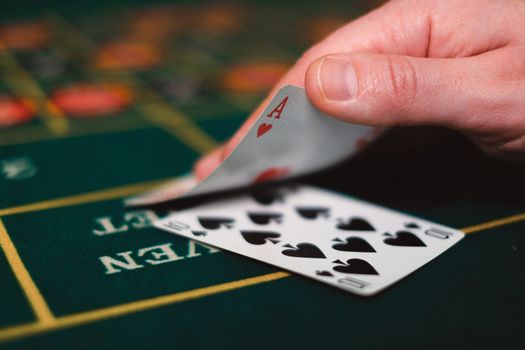
Blackjack’s roots stretch back centuries, with the earliest recorded version appearing in French casinos around the 1700s under the name “Vingt-et-Un” (French for “21”). The game quickly spread across Europe and eventually made its way to America, where it evolved into the modern version we recognize today. Notably, the term “blackjack” originated when casinos introduced a special payout for a hand containing the ace of spades and a black jack (either the jack of clubs or spades).
What makes blackjack unique compared to other casino games is its blend of chance and skill. Unlike roulette or slots, player decisions directly influence outcomes, making the game appealing to mathematically inclined players and strategists. According to the American Gaming Association, blackjack is the most popular table game in U.S. casinos, with approximately 99% of casinos offering at least one blackjack table. In 2022 alone, blackjack tables in Las Vegas casinos reported over $1.3 billion in revenue, a testament to the game's enduring allure.
.png)
Understanding the Math: Odds and Probabilities in Blackjack
At its core, blackjack is a numbers game, and understanding the underlying math is crucial to mastering it. The objective is straightforward: beat the dealer’s hand without exceeding 21. However, each decision—hit, stand, double down, or split—carries its own risks and rewards.
The standard house edge in blackjack (when played with optimal basic strategy) is about 0.5%—significantly lower than most other casino games. Compare this to roulette’s house edge, which ranges from 2.7% (European) to 5.26% (American), and you can see why so many players gravitate toward blackjack.
Probabilities play a key role in decision-making. For example, the chance of busting if you hit on 16 is roughly 62%, while standing on a 12 against a dealer’s 2 is a statistically sound move despite the temptation to hit. Memorizing these probabilities and understanding when to take calculated risks is a hallmark of advanced play.
Here’s a quick comparison of house edge and winning odds across popular casino games:
| Game | House Edge (%) | Average Player Odds (%) |
|---|---|---|
| Blackjack (with basic strategy) | 0.5 | 49.5 |
| Roulette (American) | 5.26 | 47.4 |
| Baccarat | 1.06 (banker bet) | 49.7 |
| Craps (pass line) | 1.41 | 49.3 |
| Slots | 2–10 | 90–98 (payout %) |
Basic Strategy: The Foundation for Success
Before diving into advanced techniques, every aspiring blackjack master must internalize basic strategy. Developed through computer simulations and probability analysis, basic strategy charts outline the statistically optimal move for every possible hand combination against the dealer’s upcard.
For example, always split aces and eights, never split tens or fives, and always double down on 11 when the dealer shows a lower card. The difference between a novice and an experienced player often comes down to consistently following these guidelines, which can lower the house edge to its minimum.
To illustrate, a player who ignores basic strategy and plays by gut feel can face a house edge as high as 2%, compared to just 0.5% for a disciplined strategist. In real-world terms, that’s the difference between losing $2 or $0.50 for every $100 wagered over the long run.
Key elements of basic strategy include:
- Knowing when to hit or stand based on your hand and the dealer’s card - Doubling down when your hand is strong and the dealer is weak - Splitting pairs strategically to maximize potential wins - Surrendering when the odds are heavily against you (if the rule is available)Numerous free resources, apps, and printable strategy cards are available to help players memorize and practice these optimal decisions.
Card Counting: Separating Fact from Fiction
Card counting is perhaps the most famous—and misunderstood—advanced technique in blackjack. Popularized by movies like “Rain Man” and “21,” card counting involves tracking the ratio of high to low cards remaining in the deck to gain a statistical edge over the house.
Despite its allure, successful card counting is neither illegal nor as easy as Hollywood suggests. It requires intense concentration, practice, and a solid understanding of “true count” calculations. The most common system, the Hi-Lo count, assigns a +1 value to low cards (2–6), 0 to middle cards (7–9), and -1 to high cards (10–Aces). By maintaining a running count and adjusting bets accordingly, skilled counters can shift the edge in their favor by up to 1.5%.
Statistically, a proficient card counter can expect to earn between $20 to $50 per hour in favorable conditions—assuming they avoid detection and countermeasures from vigilant casino staff. In 2012, the MIT Blackjack Team famously won millions using sophisticated counting techniques, but such feats are rare and often short-lived due to casino countermeasures like automatic shufflers and multiple-deck shoes.
Modern casinos closely monitor for card counting and may ask suspected players to leave or bar them from blackjack tables. For most players, basic strategy remains the best path to steady, enjoyable play.
Blackjack Variants: Exploring Different Game Styles
While classic blackjack remains the gold standard, casinos offer a variety of intriguing game variants designed to add excitement and alter the odds. Understanding the rules and strategic differences of these versions is vital for anyone seeking mastery.
Some popular blackjack variants include:
- Spanish 21: Played with 48-card decks (no tens), but offers player-friendly rules like late surrender, doubling after splits, and generous bonuses for 21s. The house edge can be as low as 0.4% with optimal play. - Blackjack Switch: Players are dealt two hands and can swap the top cards. This increases the chance of strong hands, but blackjack pays even money instead of 3:2, slightly increasing the house edge. - Double Exposure: Both dealer cards are dealt face up, but blackjacks pay even money and ties go to the dealer. - Progressive Blackjack: Offers a side bet for a chance at a growing jackpot, but the main game’s house edge is typically higher.It’s important to read the rules and payout tables carefully, as even small differences—such as whether the dealer hits or stands on soft 17—can significantly impact your odds.
The Psychology of Blackjack: Staying Sharp and Disciplined
Beyond math and strategy, blackjack mastery requires mental fortitude. The game’s fast pace and swings of fortune can challenge even the most experienced player’s emotional control. Professional players emphasize the importance of discipline—sticking to a strategy, managing your bankroll, and never chasing losses.
A 2021 study published in the Journal of Gambling Studies found that players who set strict session limits and took regular breaks lost 27% less on average than those who played impulsively. Developing a pre-session plan, including a win/loss limit and a set time frame, helps keep emotion in check.
Equally important is reading the table. Knowing when to step away—whether due to unfavorable rules, poor table conditions, or fatigue—can be just as crucial as knowing when to double down. The best players blend strategic acumen with self-awareness and adaptability.
Conclusion: The Path to Blackjack Mastery
Blackjack is more than a game of luck; it’s a rich tapestry of probability, psychology, and skill. By understanding the game’s history, mastering basic and advanced strategies, exploring different variants, and cultivating mental discipline, you can elevate your play far beyond the average table-goer. Remember, mastery is a journey, not a destination. Whether you play for fun or aspire to professional heights, the tools and knowledge outlined in this guide will help you make smarter decisions—and, most importantly, enjoy the game to its fullest.